


Vitamin C (Ascorbic Acid/Derivatives) - Applications and Advantages in the Cosmetics Field
In the skincare field,vitamin C (ascorbic acid and its derivatives) is gradually becoming a star ingredient, favored by many consumers for its excellent efficacy. Its INCI names include ascorbic acid, sodium ascorbyl phosphate, magnesium ascorbyl phosphate, etc., and the recommended dosage range in cosmetics is 0.5% - 20% (depending on different forms).
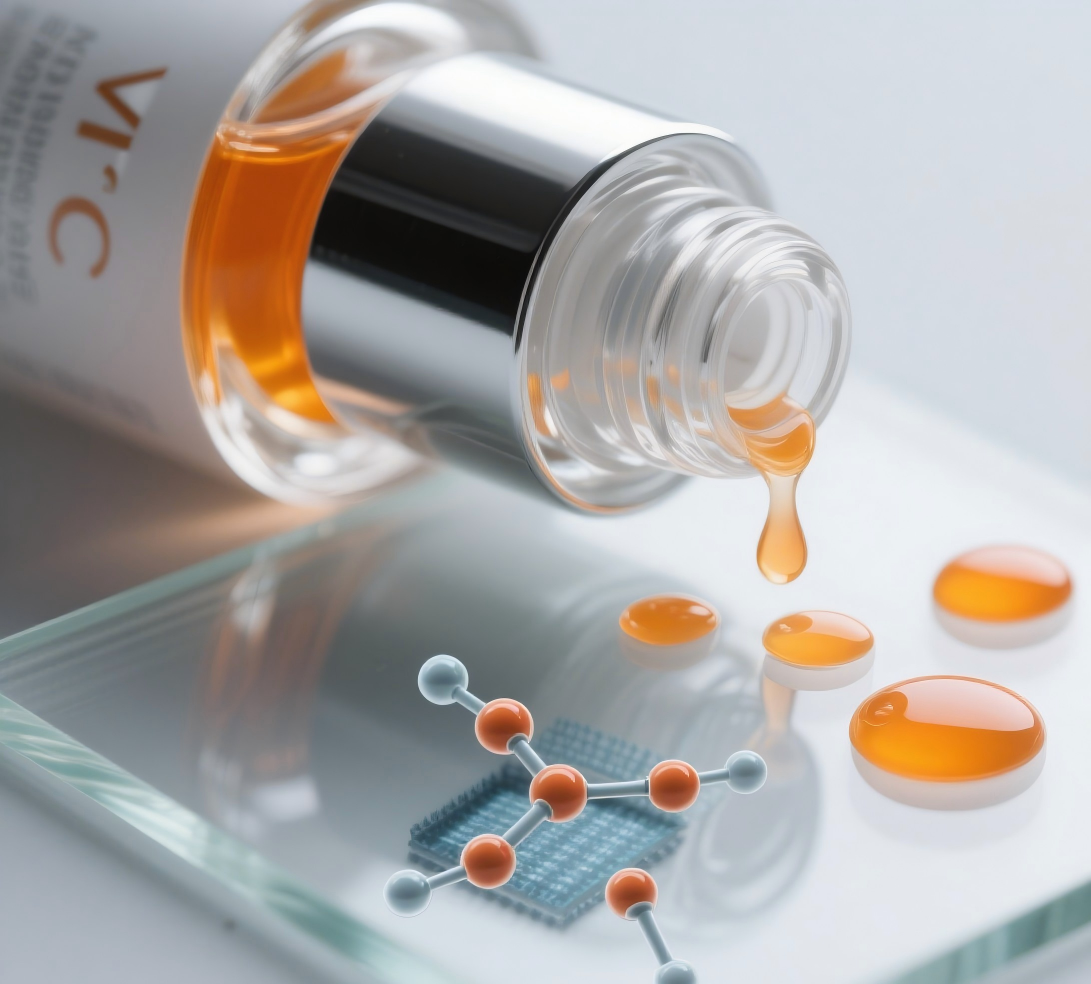
Vitamin C has many significant benefits for the skin. It is a powerful antioxidant that can effectively combat free radicals. Free radicals are unstable atoms that can damage skin cells and accelerate skin aging. With its antioxidant properties, vitamin C can neutralize free radicals and protect the skin from environmental stress factors such as ultraviolet rays, pollution, and blue light. A study published in the Journal of Cosmetic Dermatology pointed out that topical application of vitamin C can significantly reduce free radicals induced by ultraviolet rays, thereby reducing the risk of skin photodamage.

Brightening the skin tone is another important efficacy of vitamin C. It reduces melanin production by inhibiting the activity of tyrosinase. Melanin is the pigment that gives color to the skin, and its excessive production can lead to spots and uneven skin tone. A study in the Dermatologic Surgery magazine showed that continuous use of products containing vitamin C can effectively improve pigmentation problems such as chloasma, making the skin tone more even and bright.
Vitamin C also plays a key role in promoting collagen production. Collagen is an important protein that maintains skin firmness and elasticity. With age, its synthesis will gradually decrease, leading to wrinkles and sagging skin. Vitamin C can stimulate fibroblasts to produce more collagen and enhance the integrity of the skin structure. A study in the Journal of Investigative Dermatology confirmed that topical application of vitamin C can increase collagen gene expression, promote collagen synthesis, thereby reducing fine lines and wrinkles, and making the skin more firm.
In the cosmetics field, different forms of vitamin C have unique characteristics. For example, ascorbic acid is the most common and most studied form, but its stability is poor and it is prone to oxidation and iNACtivation. Sodium ascorbyl phosphate and magnesium ascorbyl phosphate are relatively more stable and have good water solubility, which can be more conveniently added to various cosmetic formulations. These derivatives, while maintaining the efficacy of vitamin C, overcome its stability problems, bringing consumers a more reliable skincare experience.
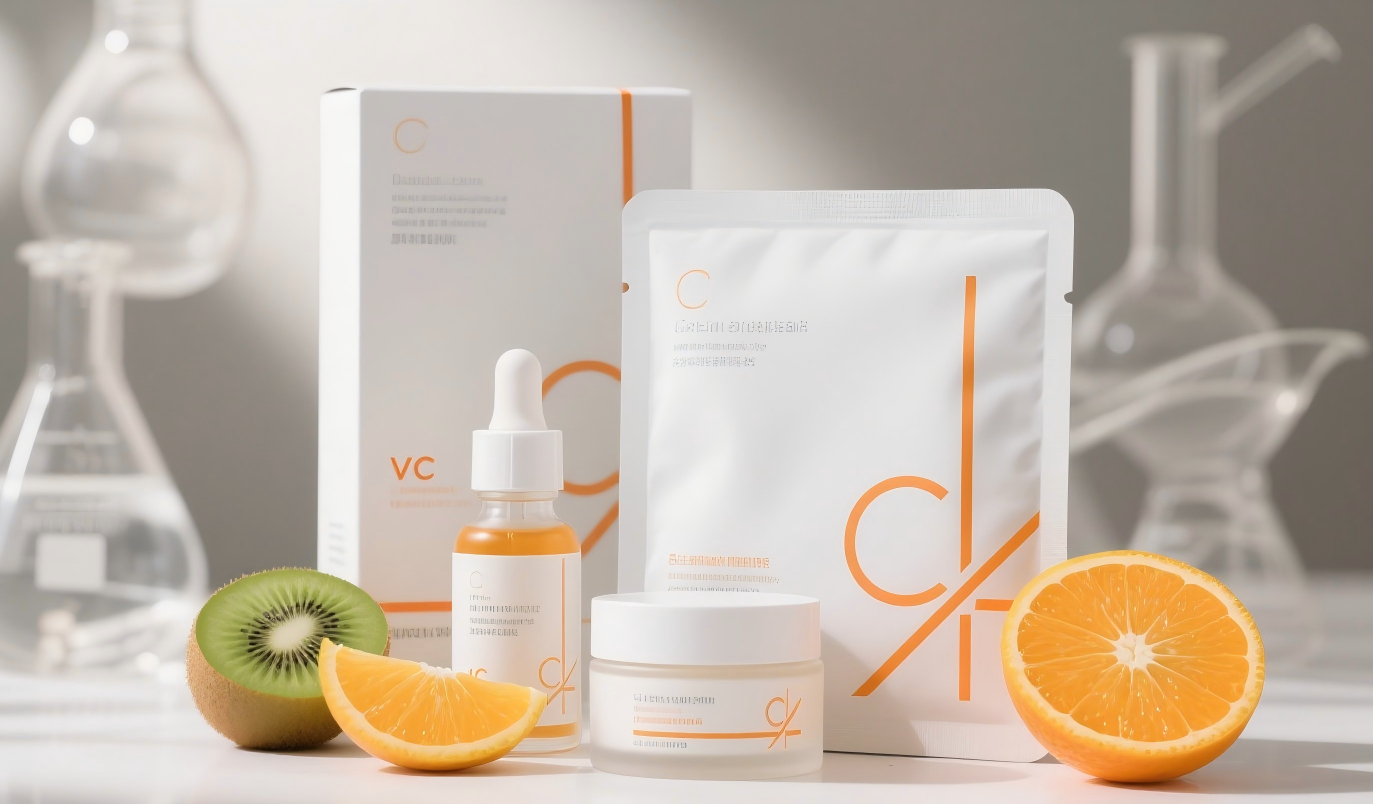
Vitamin C has been widely used in various cosmetics, such as serums, creams, lotions, and masks. Take serums as an example, many brands have launched high-concentration vitamin C serums, which can penetrate deep into the skin and quickly exert the effects of brightening, antioxidant, and promoting collagen production. The addition of vitamin C in creams and lotions can continuously nourish the skin in daily care and improve the overall skin quality. Mask products use the high-efficiency characteristics of vitamin C to inject vitality into the skin in a short time, making the skin radiant.
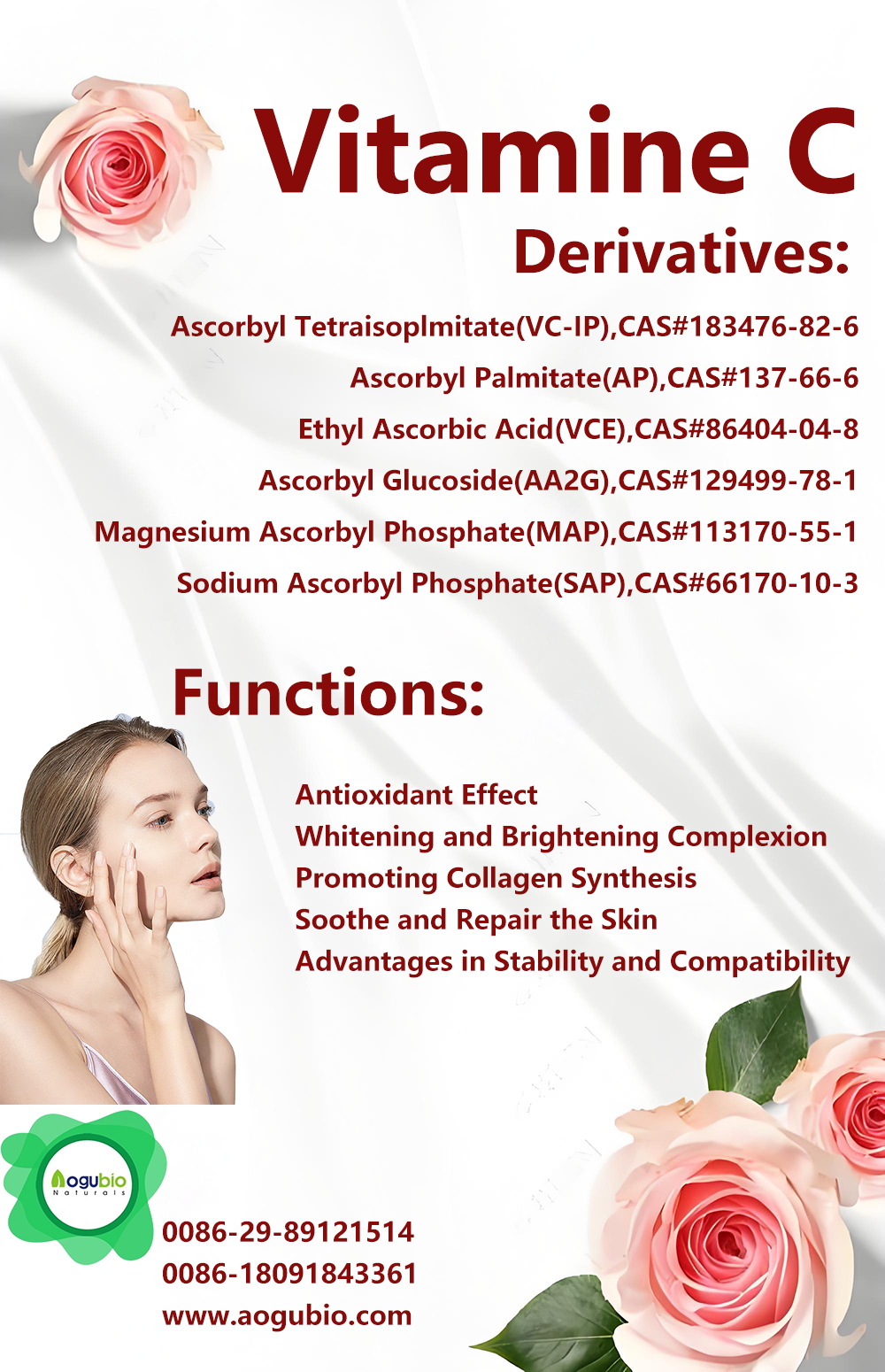
In conclusion, vitamin C (ascorbic acid/derivatives) occupies an important position in the cosmetics field with its excellent efficacy in brightening skin tone, antioxidant, and promoting collagen production. With the continuous progress of science and technology, the stability and efficacy of vitamin C-related products will be further improved, bringing more high-quality skincare options to consumers and helping people have healthy and beautiful skin.
- Name: Yuik
- E-mail: sales02@nahanutri.com
- WhatsApp:+8618066950297