Lately, we've seen a pretty big jump in the popularity of natural and organic products, especially in the world of cosmetics. More and more people are on the lookout for safe, eco-friendly ingredients they can trust. If you look at what Grand View Research reports, the global market for organic cosmetics could hit around $25 billion by 2025 — pretty impressive, right? It just shows how much folks are leaning towards more sustainable formulations.
One ingredient that really catches the eye is Bulk Beeswax. It’s a go-to for both DIY enthusiasts and professional beauty brands because of its unique qualities and versatility. Here at Xi’an Aoge Biotech Co., Ltd., we totally get this trend and offer top-notch Bulk Beeswax to suit different crafting and formulation needs. Choosing the right kind of beeswax is super important if you want your products to have the perfect texture and work well — so knowing its features and how it fits into cosmetic recipes is a big deal.
Understanding Different Types of Bulk Beeswax for Crafting Projects
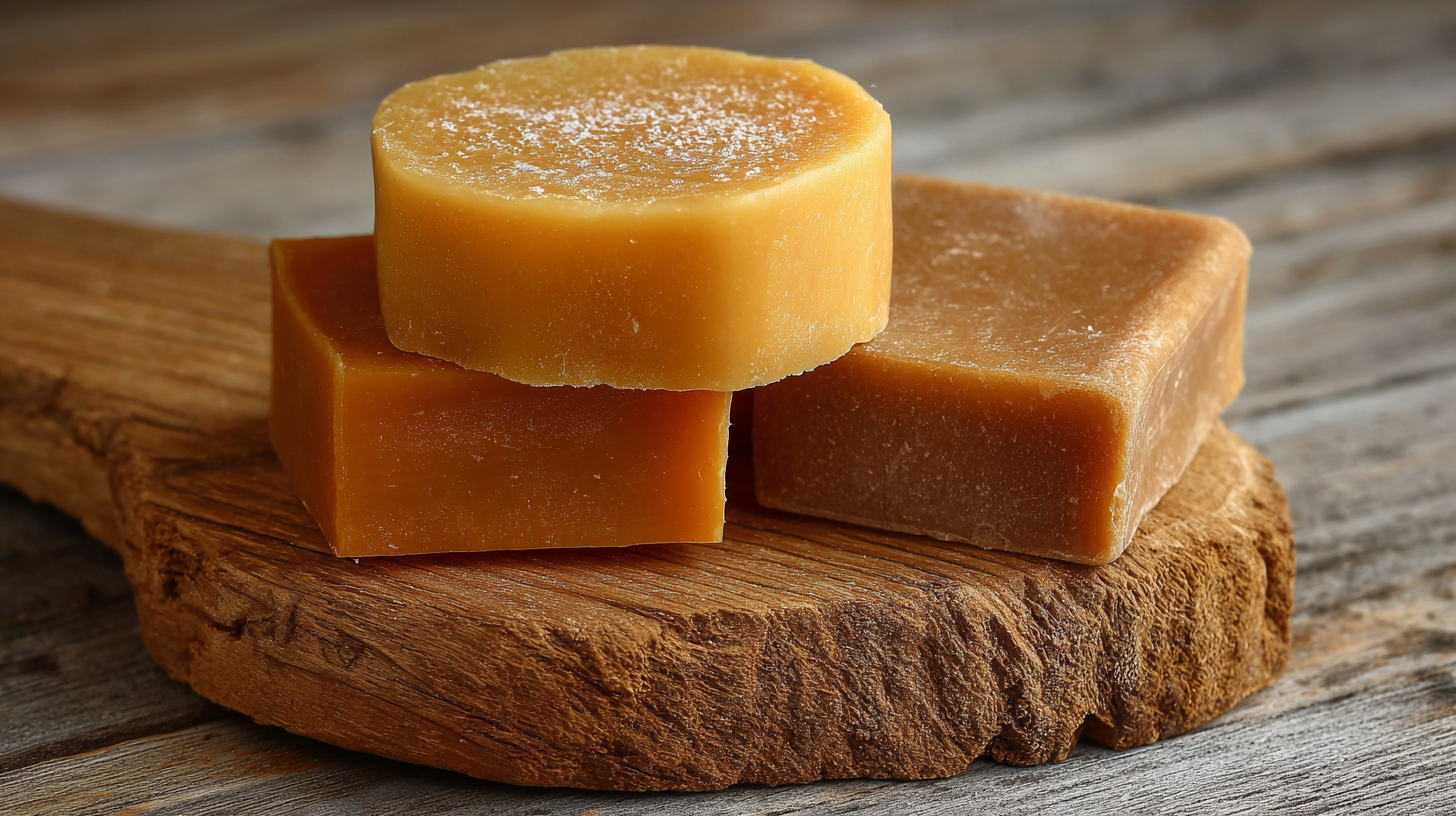
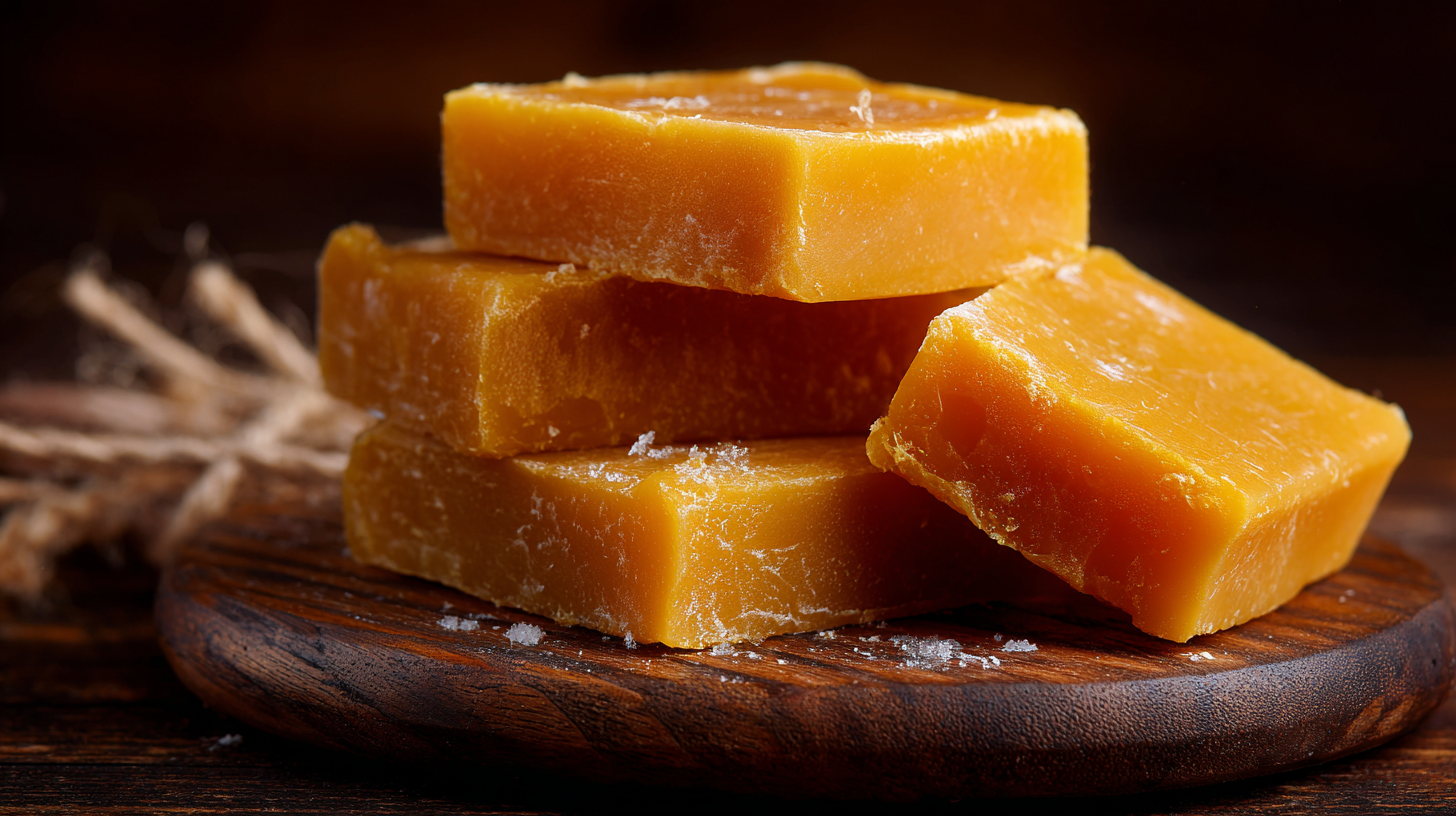
If you’re diving into a crafting project that calls for beeswax, it’s pretty important to get what kinda beeswax you’re working with, especially since there are a few different types out there. Honestly, beeswax can vary quite a bit in quality and appearance, and that can really change how your finished product turns out. So, let’s break it down—there are basically three main types: filtered, unfiltered, and beeswax pastilles. Filtered beeswax has been through a refining process, so it’s nice and clean with that lovely golden hue. It’s great for making candles, cosmetics, or even food wraps because it gives a smooth, polished look and works well for both looks and function.
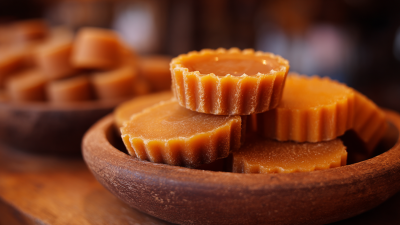
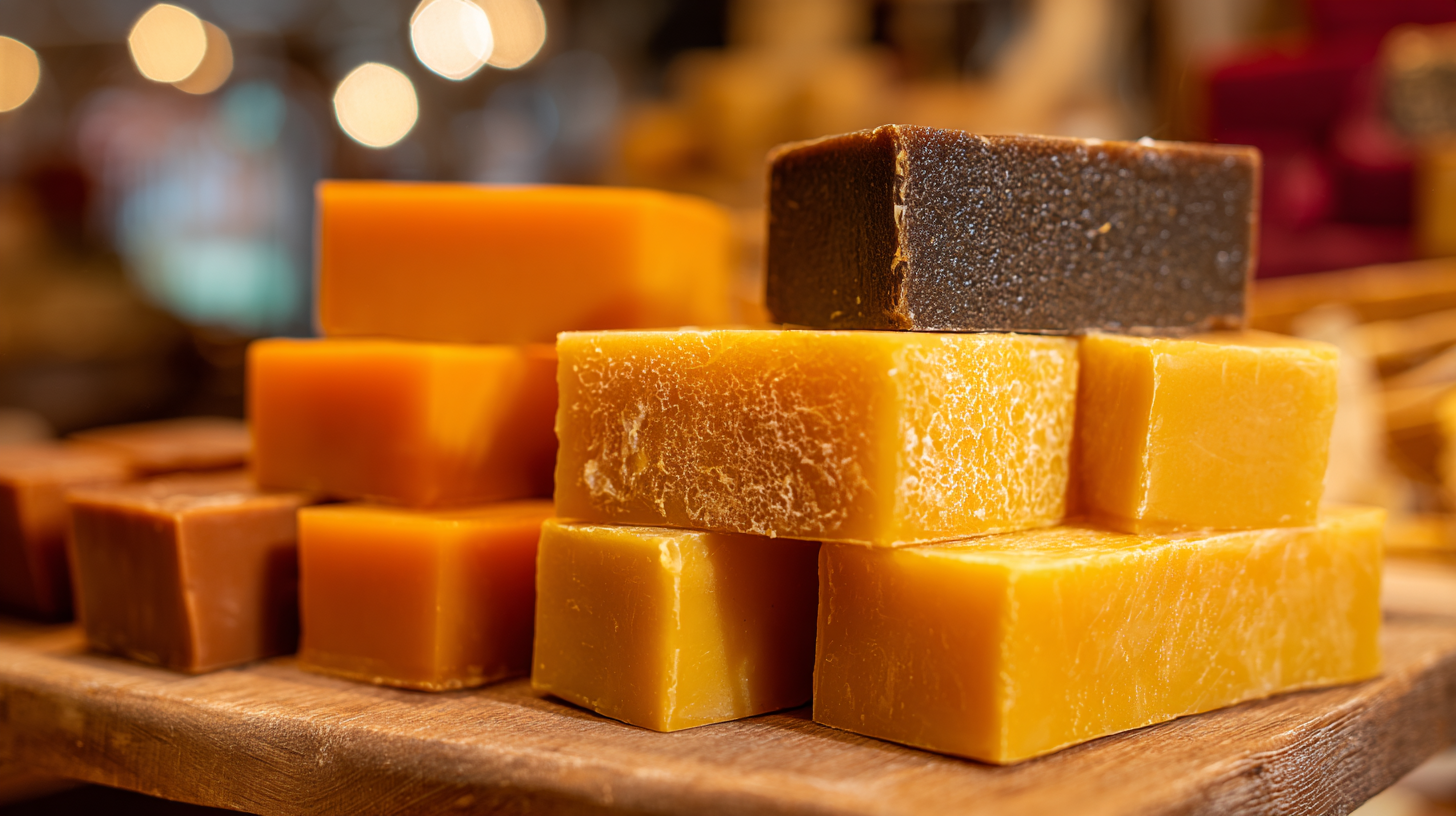
Now, unfiltered beeswax is a whole different story. It keeps some of the natural stuff from the hive—think pollen and propolis—which gives it a bit of a rustic, organic feel. It’s usually darker and a little more textured, perfect if you’re going for a natural vibe or organic candles. Some crafters love using unfiltered beeswax for projects where you want that slightly imperfect, earthy look. And then there are beeswax pastilles—those tiny little pellets that melt super easily. Honestly, they’re a lifesaver if you’re just starting out or need to do quick projects because they melt fast and evenly.
Getting to know these different types will really help you pick the right beeswax to make your projects turn out just the way you want. Whether you’re after a sleek finish or that rustic charm, understanding the differences makes all the difference in what you create.
Key Factors to Consider When Selecting Bulk Beeswax
When you're choosing bulk beeswax for your crafts, the first thing to keep in mind is how pure the wax is. Pure Beeswax usually has that nice golden color and a faint honey smell—these little details can really make a difference. It’s a good idea to look for suppliers who can show you certificates of authenticity or tell you exactly where they’re getting their wax from. That way, you avoid those blends or fake waxes, which might mess with how your finished products look or work.
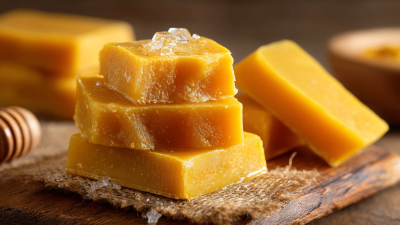
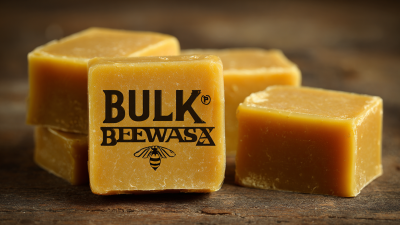
Another thing to think about is the form the beeswax comes in. You’ve got options—pastilles, blocks, sheets—the works. Pastilles are super handy because they melt quickly and are easy to measure, perfect if you’re in a rush or making small batches. Blocks, on the other hand, might take a bit more prepping but are great for larger projects like candles or soaps. And don’t forget to think about what you’re planning to make—candle making, skincare, decorations—that can really help you decide what texture or melting point you need. Figuring out exactly what you want will help you find the best bulk beeswax to fuel your creative projects.
How to Choose the Right Bulk Beeswax for Your Crafting Needs - Key Factors to Consider When Selecting Bulk Beeswax
| Factor | Description | Considerations |
| Purity | Look for 100% pure beeswax without additives or fillers. | Check for certification and ensure it meets your crafting standards. |
| Color | Beeswax can vary from light yellow to dark brown based on its origin. | Choose the color based on the aesthetic requirements of your project. |
| Texture | Beeswax can be found in blocks, pellets, or sheets. | Consider the format that is easiest for your crafting method. |
| Scent | Beeswax typically has a natural honey scent. | Identify if scent plays an important role in your craft. |
| Source | Consider where the beeswax is sourced from for sustainability. | Look for local or certified organic sources for higher quality. |
| Cost | Pricing can vary based on purity, source, and form. | Balance your budget with the quality you require for your projects. |
Comparing Organic vs. Conventional Beeswax for Crafting
So, when you're trying to decide between organic and conventional beeswax for your crafts, it’s pretty important to think about where the beeswax comes from and how it’s processed. Organic beeswax comes from hives that are managed without any synthetic pesticides or fertilizers, which generally means it’s a lot purer. That’s why lots of crafters prefer it for making stuff like candles, cosmetics, or wraps. Plus, choosing organic beeswax isn’t just good for the environment—it’s also kind of a statement about going for sustainable, natural products. It kind of shows you’re conscious of both the planet and what you’re making.
Of course, conventional beeswax is often easier to find and usually cheaper. But it might come from hives treated with chemicals, and that could impact both the quality and safety of what you’re creating. If you’re into making things like beeswax wraps or even natural-looking furniture finishes—like the organic furniture lines you see popping up lately—going with organic beeswax might be the way to go. As more folks in the crafting world start aiming for high-quality, natural materials for DIY projects, the choice between organic and conventional beeswax can really make a difference in how your final product turns out, both in looks and authenticity.
How to Determine the Purity Level of Bulk Beeswax
When you're picking out bulk beeswax for your crafts, one thing you really want to keep in mind is how pure it is. The level of purity can actually have a pretty big impact on how your finished products turn out—whether they look, feel, or smell just right. Usually, good quality beeswax should be at least 90% pure. If it’s lower than that, it might have some impurities that could mess with the texture or scent of your creations. On a different note, the natural graphite market has been buzzing lately, especially since high-purity graphite (like over 99.9%) is expected to be the star because it’s super important for energy storage tech now.
And it’s also helpful to get the hang of what's trending in the industry. For example, the market for high-purity copper powder is forecasted to jump from around $72 million in 2025 up to about $130 million by 2033—that’s a steady growth rate of about 7.73% annually. This rise in demand for pure materials tells me that folks are really leaning towards quality when it comes to their craft supplies. So, when shopping for bulk beeswax, it’s smart to work with suppliers who offer high purity levels—this way, your projects will turn out better, and you'll stay in line with industry standards.
Tips for Sourcing Quality Bulk Beeswax from Suppliers
When you're on the hunt for good quality bulk beeswax, it’s really important to start by finding trustworthy suppliers who focus on natural and sustainable options. Try to look for folks who are upfront about how they source their beeswax and can prove that it’s free from additives and junk. It’s also a good idea to see if they have any certifications or do third-party tests—that way, you know you're getting pure, high-quality beeswax. Joining online groups or craft-focused social media communities can be super helpful too, since other makers often share their experiences and recommend reliable sources.
Another key thing is checking out how the supplier makes their beeswax. Since it’s a natural product, you want to make sure the bees are treated ethically and that the wax is harvested responsibly. Suppliers with solid environmental policies or those working closely with local beekeepers tend to offer better-quality beeswax. Don’t be shy about asking for samples before you buy in bulk—sampling helps you check out the texture, color, and smell to see if it’s perfect for your projects. Following these steps should help you find top-notch beeswax that boosts your creations and also supports sustainable practices.
Creative Uses of Beeswax in Various Crafting Techniques
You know, beeswax is honestly such a versatile material — it’s found its way into all sorts of crafts, thanks to its natural qualities and eco-friendly vibe. Whether you're making candles, whipping up some cosmetics, or creating food wraps and art projects, beeswax is pretty much up for anything. And get this: industry reports say that the demand for beeswax in crafting is really on the rise. Why? Because more and more of us eco-conscious crafters wanna find biodegradable alternatives to synthetic stuff. This shift towards sustainability isn’t just a trend — it’s becoming a big part of the creative process, especially with things like upcycling and going green in mind.
When you’re picking out bulk beeswax for your projects, a couple of things to keep in mind are its melting point and how pure it is. Generally, the purer the beeswax, the higher its melting point — so that makes it perfect for candles. If you're looking at using it in cosmetics, a slightly lower purity might actually work better. Also, always try to go for beeswax that’s sustainably sourced. Not only does that support local beekeepers, but it also fits nicely with that eco-friendly mindset many of us are into today.
Some quick tips for working with beeswax: always use a double boiler for melting it — that way, you avoid burning it and get a nice, even heat. If you’re into food wraps or fabric projects, adding a little resin to the beeswax can boost its durability. Play around with different ratios until you find what works best for your projects. It’s a fun way to customize your creations while keeping it eco-conscious. Overall, beeswax is pretty awesome — versatile, sustainable, and just a downright pleasure to work with.
How to Choose the Right Bulk Beeswax for Your Crafting Needs
This bar chart illustrates the percentage of beeswax usage across various crafting techniques. The highest usage is seen in candle making, followed by cosmetics, food wraps, art projects, and sculpting. This data can help you decide the best type of bulk beeswax for your specific crafting needs.
FAQS
: There are three primary types of bulk beeswax: filtered, unfiltered, and beeswax pastilles. Filtered beeswax is refined and clean, unfiltered beeswax retains natural properties and impurities, and beeswax pastilles are convenient for easy melting.
The purity of beeswax is crucial because it affects the quality and performance of your final products. High-quality beeswax should have a purity level of at least 90% to avoid unwanted impurities that can compromise texture and scent.
Filtered beeswax has a clean and golden appearance, making it ideal for crafting items like candles, cosmetics, and food wraps. Its purity ensures a smooth finish, appealing to crafters who prioritize aesthetics.
Crafters may choose unfiltered beeswax for projects that require a more rustic look. It retains natural properties and is rich in pollen and propolis, making it suitable for natural-themed items or organic candles.
Beeswax pastilles are convenient for crafting beginners or for those who want to create quick projects. They melt easily and allow for precise measuring, making them user-friendly.
Crafters can determine the purity level by looking for suppliers who provide certificates of authenticity or detailed descriptions about their sourcing methods. High-quality beeswax should have a purity level of at least 90%.
Bulk beeswax comes in various forms, including pastilles, blocks, and sheets. The form impacts preparation time and suitability for different projects, such as quick crafts or larger creations like candles.
Considering the intended use of beeswax helps in selecting the appropriate type based on texture and melting point, ensuring that the final products meet specific crafting requirements for items like skincare or decorative crafts.
Crafters should avoid blends or adulterated wax that may compromise the appearance and performance of their projects. It's important to choose high-purity wax to ensure the best results.
Conclusion
When you're into crafting, choosing the right kind of bulk beeswax is pretty much a game-changer for getting your projects to turn out just right. It helps to understand the different types out there — like, is it organic or just regular conventional beeswax? And honestly, the purity of the beeswax you pick can really make or break the final look and feel of what you're working on. I know from experience, having a good source makes a huge difference. At Xi'an Aoge Biotech Co., Ltd., we totally get how important it is to get high-quality bulk beeswax. We always recommend working with trustworthy suppliers so you know you’re getting something that’ll meet your standards. Beeswax might have been around forever, but it’s super versatile — you can use it for so many different techniques, making it a must-have for any crafter’s toolkit. Whether you're going for a sustainable vibe with organic beeswax or need a specific formulation, understanding your options just makes everything easier and more fun. So, take some time to learn what's out there — it’ll definitely boost your creative game.